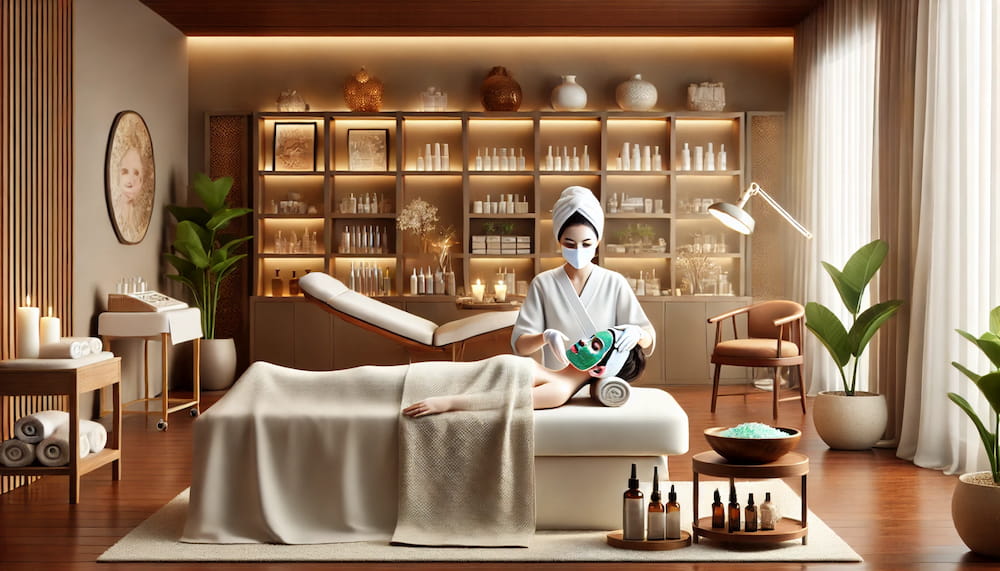
For those struggling with acne, a facial at the spa can offer targeted, professional care to complement your skincare routine. While at-home treatments are essential, a professional facial can provide deep cleansing, gentle exfoliation, and specific treatments that are challenging to replicate at home. Acne-focused facials are designed to target the causes of breakouts while promoting clearer, healthier skin. Here’s what to expect from an acne care facial treatment at the spa and how it can help manage acne effectively.
1. Initial Skin Consultation and Analysis
For people looking for professional facials near Washington DC or near where they live, an acne care facial should always begin with a thorough skin consultation and analysis. Your esthetician will examine your skin, assess the type and severity of your acne, and discuss your skincare history, lifestyle, and goals. This step is essential for creating a personalized treatment plan, as acne can vary widely between individuals. Some people may struggle with blackheads or whiteheads, while others may have inflammatory acne or cystic acne. By understanding your skin’s needs, the esthetician can tailor the facial to address your specific concerns, ensuring the treatment is effective and suitable for your skin type.
2. Deep Cleansing
An acne facial typically starts with a gentle yet thorough cleansing to remove impurities, oil, and makeup residue. Cleansing prepares your skin for the rest of the treatment by creating a clean surface and preventing further pore congestion. The esthetician will use a cleanser suited for acne-prone skin, often one with ingredients like salicylic acid or tea tree oil, which help reduce oil production and have anti-inflammatory properties.
3. Exfoliation to Unclog Pores
Exfoliation is a crucial part of an acne facial, as it removes dead skin cells that can clog pores and lead to breakouts. Professional exfoliation can be achieved through mild chemical exfoliants or gentle physical exfoliants. Chemical exfoliants, such as alpha hydroxy acids (AHAs) or beta hydroxy acids (BHAs), penetrate deeper than typical scrubs, effectively loosening dead skin and oil trapped within pores. This process reduces acne-causing blockages and leaves your skin feeling smooth and refreshed.
4. Steam and Extractions
Steam is often applied to the face after exfoliation, helping to soften pores and prepare them for extractions. Extractions are a safe, controlled way to remove blackheads and whiteheads without causing skin damage, which can happen when done improperly at home. The esthetician will use sterile tools and techniques to extract pore blockages gently, reducing the risk of spreading bacteria and preventing future breakouts. This step is beneficial for acne-prone skin, as it removes impurities and allows for better product absorption in the subsequent steps.
5. Acne-Treating Masks and Serums
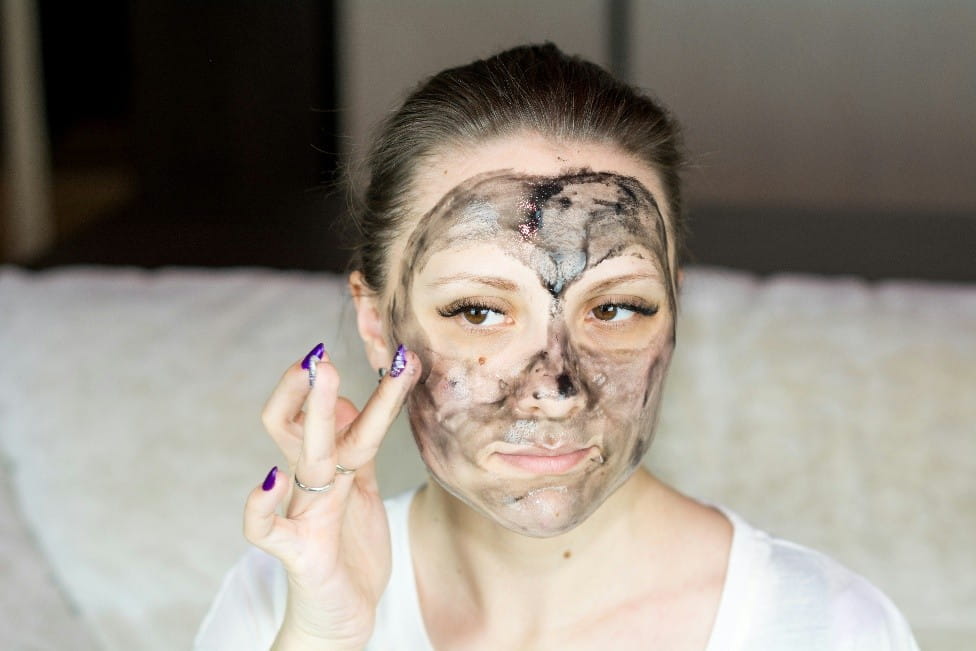
After extractions, the esthetician may apply a soothing mask or acne-specific treatment to calm the skin and address acne-related inflammation. These masks often contain ingredients like clay or charcoal to absorb excess oil, as well as salicylic acid or benzoyl peroxide to fight acne-causing bacteria. Anti-inflammatory ingredients like aloe vera, green tea extract, or chamomile may also be used to soothe redness and reduce irritation, helping to calm active breakouts and support skin recovery.
Serums and treatments containing active ingredients, such as niacinamide or retinoids, may be applied to target acne scars, even skin tone, and prevent future breakouts. These powerful ingredients penetrate deeper into the skin, allowing for long-lasting benefits.
6. LED Light Therapy and Finishing Touches
Many acne facials now incorporate advanced technologies, such as LED light therapy. Blue light, in particular, is known for its ability to reduce acne-causing bacteria on the skin. LED therapy is a non-invasive treatment that complements other steps in the facial, providing additional antibacterial and anti-inflammatory benefits.
Finally, the facial will conclude with the application of a moisturizer and sunscreen, both tailored to acne-prone skin. These finishing touches help to protect your skin and maintain hydration, as balanced moisture is essential to prevent the overproduction of oil.
Benefits of an Acne Facial
An acne care facial not only addresses active breakouts but also focuses on long-term skin health. By thoroughly cleansing, gently exfoliating, and removing blockages, an acne facial can help reduce acne severity over time. Regular facials can also support better skincare habits and enhance the effectiveness of your at-home routine. Additionally, professional facials can leave your skin feeling refreshed and rejuvenated, with reduced redness and a clearer complexion.
Aftercare and Maintenance
After your acne facial, following an aftercare routine is essential to protect your skin and prolong the benefits of the treatment. Avoid touching your face, use gentle products, and apply sunscreen daily. Stick to your esthetician’s recommended skincare regimen to maintain your results and prevent future breakouts.
In summary, an acne facial at the spa is a valuable addition to your skincare routine, offering targeted treatment and professional techniques that support clearer, healthier skin. With regular sessions, an acne facial can complement at-home efforts, bringing you closer to your skincare goals.
Did you find this helpful? Check out our other helpful articles on our website.
Read Also
- Top Trends Shaping the Future of Mental Health Care
 Mental health care is moving fast to meet daily human needs. People want direct care that fits modern life. Clinics respond by creating flexible options that make healing easier to reach. Providers look past rigid habits to give people solid care. From smart tools to body wellness, these changes help people find relief when life… Read more: Top Trends Shaping the Future of Mental Health Care
 - Full-Arch Dental Tourism: Why UK Patients With Severe Bone Loss Are Looking AbroadDental implants have become one of the fastest-growing segments of private dentistry. Within that market, one patient group behaves very differently from the rest: people who have been told they do not have enough upper jawbone for conventional implants. For these patients, the choice is rarely between one clinic and another. It is between a… Read more: Full-Arch Dental Tourism: Why UK Patients With Severe Bone Loss Are Looking Abroad
- Levels of Mental Health Care and When to Seek SupportMental health care can range from occasional outpatient appointments to 24-hour hospital treatment. The appropriate level depends on safety, symptom severity, daily functioning, medical needs, available support, treatment history and personal preferences. A licensed clinician should assess these factors rather than relying on a symptom list alone. Need help now? In the United States, call… Read more: Levels of Mental Health Care and When to Seek Support
- How to Choose a Shilajit Brand Based on the ResearchIn a randomized trial published in the Journal of the International Society of Sports Nutrition in 2019, 63 active men took 250 mg of standardized shilajit, 500 mg, or a placebo every day for eight weeks, and the benefit for strength retention after a fatiguing workout appeared only at 500 mg. For anyone choosing a… Read more: How to Choose a Shilajit Brand Based on the Research
- How to Incorporate Relaxation into Your Busy ScheduleFinding balance when you have a packed daily agenda often feels out of reach. Between work duties, family obligations, and personal projects, personal rest usually gets pushed to the bottom of the list. Small, intentional shifts in daily habits can help restore calm without requiring hours of extra free time. Continue reading to discover everything… Read more: How to Incorporate Relaxation into Your Busy Schedule
- Red Light Therapy for Skin and Wellness: Meet Vital Red Light TherapyModern wellness is not always about complicated treatments or long routines. Many people are now looking for simple, convenient ways to support their skin, recovery, and overall wellness at home. One technology getting more attention is red light therapy. Red light therapy uses specific wavelengths of red and near-infrared light to support the body’s natural… Read more: Red Light Therapy for Skin and Wellness: Meet Vital Red Light Therapy
- Managing Shock Loss After a Hair Transplant: The Financial and Clinical Imperative of Post-Op CareIn the rapidly evolving landscape of private healthcare, executive leadership within cosmetic and restorative surgery clinics faces a dual challenge: maintaining strict clinical standards while maximizing patient lifetime value (LTV) and brand advocacy. As the global medical tourism and elective procedure markets expand, clinical outcome quality alone is no longer the sole differentiator for premium… Read more: Managing Shock Loss After a Hair Transplant: The Financial and Clinical Imperative of Post-Op Care
- Transform Your Skin Health: Premier Gluta IV Therapy in DubaiThis comprehensive guide explores how modern intravenous wellness treatments can help revitalize your complexion, boost immune function, and support overall cellular health. By incorporating modern IV therapy Dubai services into a routine health regimen, individuals can achieve direct nutrient absorption for optimal results. Selecting a customized gluta IV drip Dubai treatment provides targeted antioxidant defense,… Read more: Transform Your Skin Health: Premier Gluta IV Therapy in Dubai